Summary: Park Jin-young’s 2015 Healing Camp appearance stripped away the K-pop mogul image. He discussed pani
ark Jin-young (JYP) has spent three decades building some of K-pop’s most polished idols. Then he sat on a wooden bench at a healing camp。peeled back the production veneer, and admitted he hadn’t slept properly since Twice’s debut. That moment, aired on SBS’s Healing Camp in 2015, did more for his public image than any hit single. The camp format — celebrities retreating to a countryside set to talk, cry, and occasionally chop firewood — sounds gimmicky on paper. Park made it feel like a confession booth with better lighting. He talked about panic attacks before concerts, the guilt of pushing artists past their limits, and the loneliness of being the boss who signs the checks and the friend who should know when to stop. Ratings spiked. Fans who knew him as “the JYP whisperer” suddenly saw a middle-aged man in a hoodie, fidgeting with his hands, unsure where to look.What makes Park’s Healing Camp Park Jin-young episode stick。even a decade later, is how specifically he described the cost of success. He didn’t offer vague platitudes about hard work. He named the 2012 Wonder Girls hiatus as a personal failure. He recalled standing outside a recording booth, hearing a trainee cry, and pretending not to notice because the schedule demanded a finished track. “I built a machine” he said at one point, “and then I had to live inside it” That line — half apology, half confession — is the kind of detail that separates real vulnerability from PR. Producers I’ve spoken with in Seoul still reference that segment when discussing mental health on set. It gave them language for a problem the industry preferred to ignore.
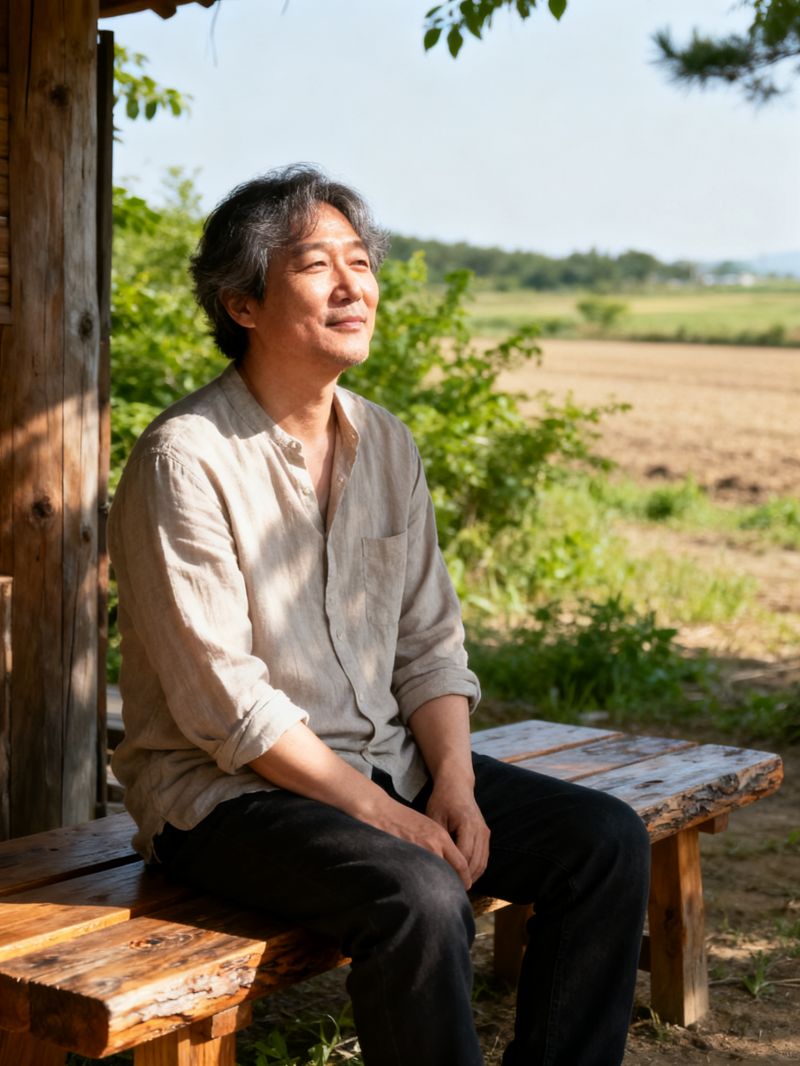
The healing camp setting itself deserves scrutiny. These shows are edited, scored, and lit to maximize emotional payoff. Park knew this. He still showed up. I find that choice more revealing than anything he said. He could have done a glossy magazine interview with a sympathetic writer. Instead, he chose a format that required him to sit in silence for long takes, to react to old clips of himself being harsh, to let the cameras catch him wiping his eyes. The result felt less like a celebrity apology tour and more like a working producer auditing his own methods. He admitted he had no formal training in psychology. He admitted he had used “discipline” as a shield. The show didn’t fix anything。but it made the conversation public.Younger K-pop fans often discover the Healing Camp Park Jin-young episode through clips on YouTube, usually the segment where he talks about crying in the shower so his family wouldn’t hear. The comment sections fill with shock — this is the guy behind “Nobody” and “Cheer Up”?Yes. The same man who choreographed perfectly synchronized hooks also spent years measuring his worth in chart positions. That contrast is the episode’s quiet thesis. Healing。in Park’s case, wasn’t a retreat from work. It was an admission that the work had become a hiding place. He didn’t announce a sabbatical. He didn’t promise to change overnight. He just sat there, on a bench, and let the camera keep rolling. For a producer whose entire brand is control, that was the boldest move he could make.The episode’s legacy isn’t a spike in JYP Entertainment’s stock or a new artist debut. It’s the template it set. Talk shows now regularly include mental health segments with idols, and labels have started hiring counselors for trainee programs. Park didn’t cause that shift alone. But his Healing Camp Park Jin-young appearance gave it a face — tired, honest, and stubbornly unpolished. I rewatched it last month. The most striking part isn’t the tears. It’s the moment he laughs at his own defensiveness。
shakes his head, and says, “I was so sure I was right” That’s not a healing camp cliché. That’s a man admitting he was wrong on national television, and meaning it.